Vaginal odor is common and usually not a reason to panic. Changes in vaginal smell can happen after sweating, menstruation, sex, hormonal fluctuations, or shifts in vaginal pH. However, a strong fishy, sour, or unusually unpleasant odor can sometimes signal an imbalance in the vaginal microbiome or an underlying infection.
If you're wondering how to get rid of vaginal odor at home, the most effective approach is not simply masking the smell. Lasting relief comes from addressing the underlying cause, whether that involves restoring healthy vaginal bacteria, improving pH balance, or reducing irritation and inflammation.

What Causes Vaginal Odor?
Vaginal odor is usually caused by changes in the vagina’s natural balance of bacteria and acidity, also called vaginal pH. Think of the vagina as a small ecosystem. Helpful bacteria, especially Lactobacillus, help keep it healthy by producing lactic acid. This creates a mildly acidic environment that helps control the growth of other bacteria.
A mild vaginal scent is normal and can change during menstruation, after sex, during pregnancy, or around menopause. Sweat, normal discharge, menstrual blood, and semen can also temporarily change how the vagina smells.
A strong or unusual odor may develop when the vaginal ecosystem becomes unbalanced. Bacterial vaginosis (BV), one of the most common causes of fishy vaginal odor, occurs when certain bacteria grow faster than the helpful bacteria. These bacteria release chemicals called amines, which create the fish-like smell. The odor may become stronger after sex because semen temporarily raises vaginal pH.
Other causes of unusual vaginal odor include trichomoniasis, a sexually transmitted infection, or a tampon left inside the vagina too long. Douching and scented vaginal products may also disrupt healthy bacteria and make odor worse.
See a healthcare provider if vaginal odor is strong, persistent, or occurs with itching, burning, pain, or unusual discharge.
Home Remedies for Vaginal Odor
Home remedies for vaginal odor include gentle external washing, avoiding douching and scented products, wearing breathable cotton underwear, changing out of damp clothing, and supporting a healthy vaginal microbiome. These measures may help with odor related to sweat, moisture, or irritation, but they do not reliably treat bacterial vaginosis (BV), trichomoniasis, or other infections.
If you have a persistent fishy vaginal odor, especially with unusual discharge, itching, burning, pelvic pain, or pain during urination or sex, see a healthcare provider to determine the cause.
1. Consider Probiotics for Vaginal Microbiome Support
Lactobacillus bacteria help maintain the normally acidic vaginal environment and limit the overgrowth of bacteria associated with vaginal imbalance.
Some probiotic supplements contain Lactobacillus strains intended to support healthy vaginal flora. Research into probiotics for BV and recurrent BV is ongoing, however, so probiotics should not replace recommended medical treatment for an active infection.
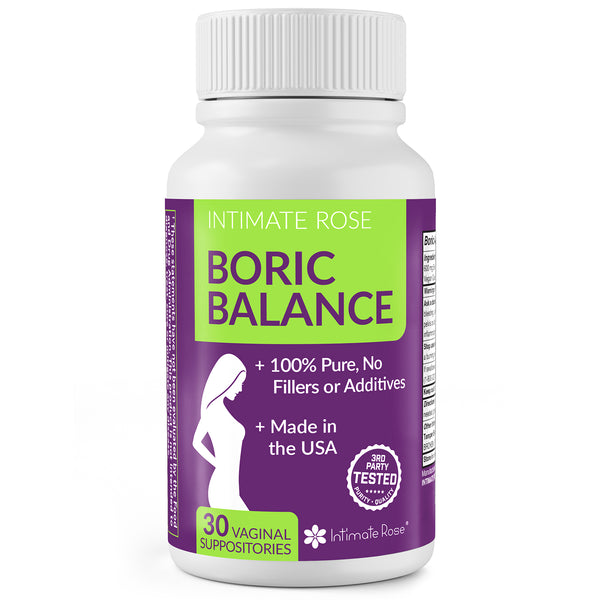
2. Ask Your Healthcare Provider About Boric Acid Suppositories
Boric acid vaginal suppositories are sometimes used for certain recurrent vaginal infections, but they are not a general home remedy for every type of vaginal odor.
Your healthcare provider may recommend vaginal boric acid in specific situations, such as certain recurrent or difficult-to-treat infections. It should be used only as directed, never taken orally, and should not replace appropriate diagnosis and treatment when a fishy odor is caused by BV or another infection.
3. Wash the Vulva Gently
The vagina is self-cleaning, so you do not need to wash inside it. Instead, gently clean the vulva, or external genital area, with warm water. If you use soap, choose a mild, fragrance-free product and keep it external.
Avoid douching, scented vaginal washes, deodorant sprays, fragranced wipes, and other products intended to mask vaginal odor. These products can cause irritation and may disrupt the normal vaginal microbiome.
4. Stay Hydrated
Drinking enough water supports normal urinary and overall health. It can also make urine less concentrated, which may help if what seems like vaginal odor is actually a strong urinary smell.
However, drinking more water will not treat BV or another vaginal infection. Persistent fishy odor should be evaluated rather than treated by increasing water intake alone.
5. Wear Breathable Underwear and Change Out of Damp Clothing
Heat, sweat, and moisture around the vulva can contribute to unwanted external odor and irritation. Wearing breathable cotton underwear and looser-fitting clothing can help reduce moisture buildup.
Change out of sweaty workout clothes and wet swimsuits promptly. These habits may help reduce odor caused by moisture, but they will not eliminate odor caused by an underlying vaginal infection.
6. Avoid DIY Remedies Inside the Vagina
Do not insert apple cider vinegar, yogurt, garlic, essential oils, hydrogen peroxide, or other DIY remedies into the vagina to get rid of odor. These substances have not been proven to safely treat common causes of fishy vaginal odor and may cause irritation or disrupt the vaginal environment.
Similarly, there is limited evidence that eliminating specific foods can treat vaginal odor. If you notice temporary changes in body odor after eating certain foods, you can track those patterns, but persistent or distinctly fishy vaginal odor is more important to evaluate for an underlying cause.
Can Home Remedies Get Rid of Vaginal Odor?
Home remedies may help reduce vaginal or vulvar odor caused by sweat, moisture, external irritation, or hygiene habits, but they cannot reliably treat an infection. A persistent fishy vaginal smell is commonly associated with bacterial vaginosis, while other infections, including trichomoniasis, can also cause changes in vaginal odor.
If the smell is strong, fishy, new, persistent, or keeps returning, identifying and treating the underlying cause is more important than trying to mask the odor.
Why Does Vaginal Odor Happen?
Many factors can temporarily change vaginal odor without indicating a serious problem. Sweat, menstruation, hormonal fluctuations, semen exposure after intercourse, and exercise can all affect the vaginal environment.
However, stronger or persistent odors are frequently linked to disruptions in the vaginal microbiome. When healthy bacteria decline and harmful bacteria begin to multiply, vaginal pH can change and unpleasant odors may develop.
For better understanding, vaginal odor can often be separated into two categories: odor without additional symptoms and odor accompanied by symptoms such as discharge, itching, burning, or irritation.
When odor occurs alongside other symptoms, an infection is more likely to be involved.
Common Causes Vaginal Odor
Bacterial Vaginosis (BV)
Bacterial vaginosis is one of the most common causes of a strong fishy vaginal odor. It develops when harmful bacteria outnumber healthy bacteria within the vagina, creating an imbalance in the microbiome.
In addition to a fishy smell, BV commonly causes thin gray discharge, irritation, and discomfort during urination. Because bacterial vaginosis often requires treatment, home remedies can be helpful for supporting recovery but may not fully eliminate the underlying issue.
Yeast Infections
Although yeast infections are more commonly associated with itching and thick discharge, some women notice changes in odor as well. Disruptions in healthy vaginal flora can allow yeast to overgrow and create irritation.
Trichomoniasis
Trichomoniasis is a sexually transmitted infection that may cause strong vaginal odor along with irritation, itching, discomfort, and abnormal discharge. Since symptoms can overlap with other conditions, proper diagnosis is important.
Sweat and Hormonal Changes
Hormonal fluctuations during pregnancy, menstruation, perimenopause, and menopause can affect vaginal pH and bacterial balance. Increased sweating can also contribute to temporary odor changes.
The Ultimate Vaginal Bundle

What is a 'bad' Vaginal Smell?
A 'bad' vaginal smell can manifest as a fishy, musty, or rotten odor, which is often a sign of an infection or imbalance in the vaginal flora. These smells can vary from mild to strong and are distinct from the normal, subtle scent of the vagina.
When to Seek Medical Advice?
While mild odor changes can often improve with home care, some symptoms should not be ignored. Persistent odor, worsening symptoms, unusual discharge, pelvic pain, burning with urination, or bleeding can indicate an infection that requires treatment.
Because conditions like bacterial vaginosis, yeast infections, and sexually transmitted infections can cause similar symptoms, a proper diagnosis helps ensure you receive the most effective treatment.
Conclusion
Vaginal odor is common, and temporary changes are often related to normal shifts in pH, hormones, sweat, or bacterial balance. The best way to get rid of vaginal odor at home is by addressing the underlying cause rather than masking the smell.
Supporting the vaginal microbiome with probiotics, maintaining gentle hygiene habits, improving airflow, and restoring pH balance can help create a healthier environment and reduce recurring odor naturally.
References
Cleveland Clinic Vaginal Odor: Causes, Symptoms and Treatment
https://my.clevelandclinic.org/health/symptoms/17905-vaginal-odor
Office on Women's Health Vaginal Infections
https://www.womenshealth.gov/a-z-topics/vaginal-infections
Centers for Disease Control and Prevention Bacterial Vaginosis (BV)
https://www.cdc.gov/bacterial-vaginosis/about/index.html
Centers for Disease Control and Prevention Trichomoniasis Fact Sheet
https://www.cdc.gov/trichomoniasis/about/index.html
National Center for Biotechnology Information The Vaginal Microbiome and Its Role in Female Health
https://www.ncbi.nlm.nih.gov/pmc/articles/PMC8784630/
National Center for Biotechnology Information Probiotics for Preventing Recurrent Bacterial Vaginosis and Vaginal Infections
https://www.ncbi.nlm.nih.gov/pmc/articles/PMC9024683/
Mayo Clinic Bacterial Vaginosis Symptoms and Causes
https://www.mayoclinic.org/diseases-conditions/bacterial-vaginosis/symptoms-causes/syc-20352279
American College of Obstetricians and Gynecologists Vaginitis FAQ
https://www.acog.org/womens-health/faqs/vaginitis-and-vaginal-changes

Things Off Down There?