Inositol is a naturally occurring carbohydrate often described as a vitamin-like compound that helps regulate how cells communicate throughout the body. It is naturally present in foods such as fruits, beans, nuts, and grains and also produced by the body.
Inositol plays an important role in insulin signaling, hormone balance, brain function, and reproductive health, which is why it is commonly used to support concerns such as PCOS, metabolic health, fertility, and mood regulation.
The two forms of inositol most commonly used in supplements are Myo-Inositol (MI) and D-Chiro-Inositol (DCI). These forms work together to support healthy ovarian function, insulin response, and hormonal balance.
Key Takeaways
- Inositol helps support insulin signaling, hormone balance, and cellular communication.
- Inositol is commonly used for PCOS, fertility support, metabolic health, and mood wellness.
- Most studies report mild side effects, usually at higher doses above typical daily use.
- A 40:1 Myo-Inositol to D-Chiro-Inositol ratio is commonly used for hormone support.
What Is Inositol?
Inositol is a naturally occurring compound that acts as a messenger within cells, helping the body regulate hormones and respond to insulin. Although it is sometimes referred to as vitamin B8, it is not officially classified as a vitamin because the body can produce it naturally.

Things Off Down There?
Inositol exists in several forms, but the two most important for supplementation are Myo-Inositol and D-Chiro-Inositol. Both influence hormone pathways and metabolic function, but they perform different roles throughout the body.
Myo-Inositol
Myo-Inositol is the most abundant form of inositol in the body and is heavily involved in ovarian function, egg quality, and cellular signaling. It is commonly studied in women with PCOS because of its role in reproductive health.
D-Chiro-Inositol
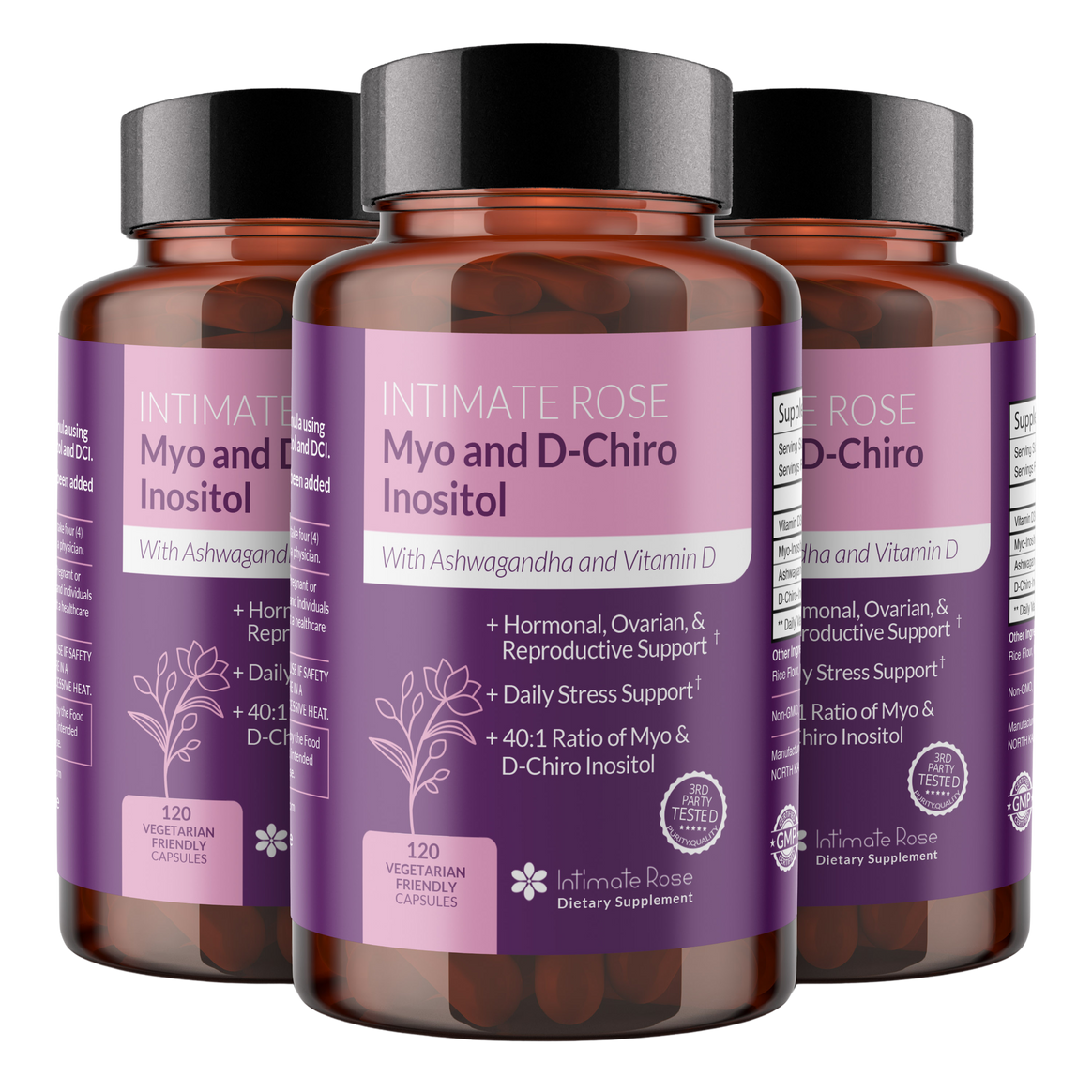
D-Chiro-Inositol primarily supports insulin signaling and glucose metabolism. When combined with Myo-Inositol in a 40:1 ratio, it more closely mirrors the body's natural balance and is frequently used for hormone and metabolic support.
How Does Inositol Work?
Inositol acts as a secondary messenger that helps cells receive and process signals from hormones and insulin. Healthy signaling allows cells to respond appropriately to metabolic demands and hormone changes.
When insulin signaling becomes less effective, hormone imbalances may occur. This relationship is one reason inositol supplementation has received attention for supporting conditions associated with insulin resistance and hormonal dysfunction.
What Is Inositol Used For?
Inositol is commonly used to support hormone balance, reproductive health, and metabolic wellness. Research has explored its role in several health concerns.
Inositol for PCOS
Polycystic ovary syndrome (PCOS) is one of the most common reasons women use inositol. Studies suggest that inositol for pcos may help support:
- Healthier insulin response
- Menstrual cycle regulation
- Ovulation support
- Hormonal balance
- Metabolic wellness
Inositol for Fertility Support
Because inositol influences ovarian function and egg development, some women use it as part of fertility support plans. Research has examined its potential role in improving reproductive function and ovulatory health.
Inositol for Blood Sugar and Metabolic Health
Inositol participates in insulin signaling pathways that help cells regulate glucose. Supporting healthy insulin sensitivity may also influence body weight, cardiovascular health, and metabolic function.
Inositol for Mood and Brain Health
Inositol is involved in neurotransmitter pathways that influence mood and cognition. Research has investigated its relationship with mood disorders and emotional wellness, although findings continue to evolve.
Inositol Benefits
Inositol may provide several potential benefits due to its effects on hormones and insulin signaling.
Supports Hormone Balance
Healthy hormone signaling influences reproductive health, menstrual cycles, and overall wellness. Inositol may help support balanced hormone function.
Supports Insulin Sensitivity
Insulin resistance is commonly associated with PCOS and metabolic disorders. Inositol may help improve how cells respond to insulin.
Supports Ovarian Function
Research suggests inositol may support ovulation and ovarian health, particularly in women experiencing hormone imbalances.
Supports Metabolic Wellness
By influencing glucose metabolism and insulin response, inositol may contribute to broader metabolic health.
Supports Mood and Emotional Wellness
Because it participates in brain signaling pathways, inositol may also support emotional well-being and mood regulation.
How to Use Inositol
Inositol is available in capsule and powder forms. The most commonly studied formulation for hormone support contains a 40:1 ratio of Myo-Inositol to D-Chiro-Inositol.
General considerations for use include:
Daily Dosage
Typical research protocols commonly use:
- Myo-Inositol: 1,200–8,000 mg daily
- D-Chiro-Inositol: 600–1,000 mg daily
Dosage recommendations vary depending on the condition being addressed and individual needs.
Capsules vs Powder
Capsules offer convenience and consistent dosing. Inositol powder formulations may allow more flexible dosing and may be easier for individuals who have difficulty swallowing supplements.
How does the Inositol supplement work?
Inositol Side Effects and Risks
Inositol is generally considered well tolerated, but side effects can occur, particularly at higher doses.
Research involving larger doses, often 12–30 grams per day, has reported mostly mild gastrointestinal symptoms.
Possible side effects include:
- Nausea
- Gas or bloating
- Loose stools
- Diarrhea
- Headaches
- Dizziness
- Fatigue
Many clinical protocols commonly use around 4 grams daily, which research suggests is generally associated with fewer side effects.
Is Inositol Safe During Pregnancy?
The Food and Drug Administration has identified inositol as generally recognized as safe, but supplementation during pregnancy should always be discussed with a healthcare provider to determine individual appropriateness.
Is Inositol Good for Menopause?
Inositol may also help support some changes associated with menopause. Hormonal shifts during menopause can affect metabolism, insulin response, mood, and body composition. Because inositol supports cellular signaling and insulin sensitivity, it may help promote metabolic wellness and emotional balance during this transition.
While emerging research appears promising, additional menopause-specific studies are still needed.
Frequently Asked Questions
How long does inositol take to work?
Results vary depending on the reason for use. Many studies evaluating hormone balance and PCOS commonly report noticeable improvements within several weeks to several months. Hormonal changes and cycle regulation may require consistent use over time.
How much inositol should I take per day?
The amount of inositol used daily can vary depending on your health goals and the type of supplement used. Research commonly uses 1,200–8,000 mg of Myo-Inositol daily, often combined with D-Chiro-Inositol. Always follow product directions or recommendations from a healthcare professional.
What's the recommended dosage?
There is no single universal dosage because needs can differ based on the condition being addressed. Many protocols for hormone balance and PCOS frequently use around 2–4 grams of Myo-Inositol daily, often paired with D-Chiro-Inositol in a 40:1 ratio to mimic the body's natural balance.
Which type of inositol is best for PCOS?
The most commonly studied form for PCOS support is a combination of Myo-Inositol and D-Chiro-Inositol rather than either ingredient alone. Research suggests the combination may provide broader support for insulin sensitivity, ovarian function, and hormone balance.
How is a Myo and D-Chiro Inositol blend better?
Myo-Inositol and D-Chiro-Inositol have different roles in the body. Myo-Inositol primarily supports ovarian health and cellular signaling, while D-Chiro-Inositol helps regulate insulin activity and glucose metabolism. A 40:1 blend more closely reflects the body's natural ratio and may provide more comprehensive support for hormone balance and metabolic wellness.
Can you take inositol every day?
Many people take inositol daily as part of an ongoing wellness routine. Consistent use is often recommended because some benefits, especially those related to hormones and metabolism, may develop gradually over time.
What foods naturally contain inositol?
Foods naturally containing inositol include:
- Citrus fruits
- Beans
- Whole grains
- Nuts
- Seeds
- Cantaloupe
Is inositol a hormone?
No. Inositol is not a hormone. It is a naturally occurring compound that helps cells communicate and respond to hormones and insulin signals throughout the body.
References
Clements RS Jr, Darnell B. Myo-inositol content of common foods: development of a high-myo-inositol diet. Am J Clin Nutr. 1980;33(9):1954-1967.
Carlomagno G, Unfer V. Inositol safety: clinical evidence. Eur Rev Med Pharmacol Sci. 2011;15(8):931-936.
Formoso G, Baldassarre MP, Ginestra F, et al. Inositol and antioxidant supplementation: safety and efficacy considerations. Front Pharmacol. 2019;10:1103.
Unfer V, Carlomagno G, Dante G, Facchinetti F. Effects of myo-inositol in women with PCOS: a systematic review. Gynecol Endocrinol. 2012;28(7):509-515.
Nordio M, Proietti E. The combined therapy with Myo-Inositol and D-Chiro-Inositol reduces metabolic disease risk in PCOS. Eur Rev Med Pharmacol Sci. 2012;16(5):575-581.
Croze ML, Soulage CO. Potential role and therapeutic interests of myo-inositol in metabolic diseases. Biochimie. 2013;95(10):1811-1827.
Levine J. Controlled trials of inositol in psychiatry. Eur Neuropsychopharmacol. 1997;7(2):147-155.
Food and Drug Administration (FDA). Generally Recognized as Safe (GRAS) Substances Database. U.S. Food and Drug Administration.
Things Off Down There?