
Yeast infections can cause intense itching, burning, irritation, and discomfort around the vagina and vulva. While antifungal medications are often needed to fully treat an infection, certain home remedies can help calm irritation and support recovery.
One of the most commonly recommended natural remedies is a baking soda bath. Baking soda may help soothe inflamed skin, reduce irritation, and support a healthier vaginal environment when used correctly. For many women, it can provide temporary relief from itching and burning during a yeast infection flare-up.
Does a Baking Soda Bath Help a Yeast Infection?
A baking soda bath may help relieve some of the external symptoms associated with a yeast infection, especially itching, redness, and irritation around the vulva.
Baking soda, also known as sodium bicarbonate, has natural alkalizing properties that can help calm irritated skin and reduce discomfort. Because yeast infections often cause inflammation and sensitivity of the surrounding tissue, soaking in a warm baking soda bath can temporarily soothe the area and make symptoms more manageable.
However, while baking soda may help with symptom relief, it does not directly eliminate the fungal overgrowth responsible for most yeast infections.
How to Take a Baking Soda Bath for a Yeast Infection
A baking soda bath is typically used as a soothing sitz-style soak rather than an internal treatment.
To prepare a baking soda bath:
- Fill a bathtub with warm, not hot, water
- Add approximately ¼ to ½ cup of baking soda
- Soak for about 10 to 15 minutes
- Gently pat the area dry afterward
Warm water helps relax irritated tissue, while the baking soda can help reduce itching and calm inflammation on the external skin.
Many women use baking soda baths during active flare-ups when symptoms feel especially uncomfortable.
Why Does Baking Soda Help With Yeast Infection Symptoms?
Yeast infections are commonly caused by an overgrowth of Candida, a fungus that naturally lives in the body. When the vaginal microbiome becomes disrupted, yeast can multiply rapidly and trigger inflammation.
This inflammation often leads to:
- Vaginal itching
- Burning sensations
- Redness and swelling
- Irritated skin around the vulva
Baking soda may help because its alkalizing properties can temporarily reduce skin irritation and soothe inflamed tissue. It can also help reduce moisture and irritation on the external skin, which may make the area feel more comfortable while the body recovers.
Other Home Remedies for Yeast Infection Relief
While baking soda baths can help soothe symptoms, many women combine them with other natural remedies to support recovery and reduce recurrence.
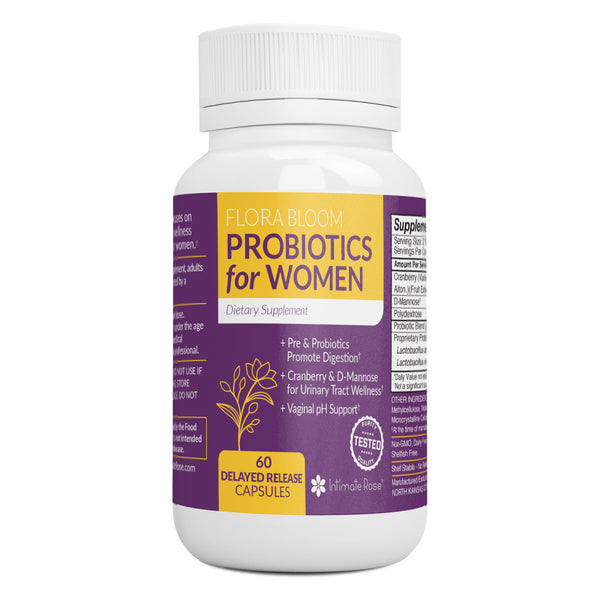
Probiotics
Probiotics help restore healthy vaginal bacteria, particularly Lactobacillus species that naturally keep yeast growth under control.
When the balance of good bacteria becomes disrupted from antibiotics, hormonal changes, or stress, yeast can overgrow more easily. A probiotic supplement and fermented foods may help restore microbial balance and support long-term vaginal health.
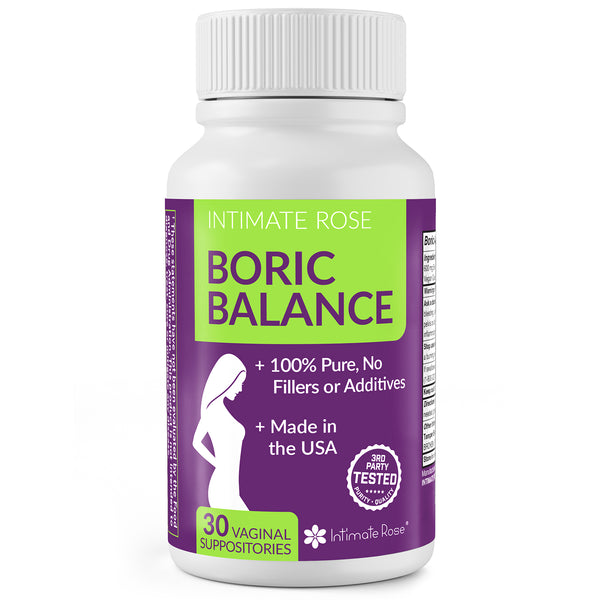
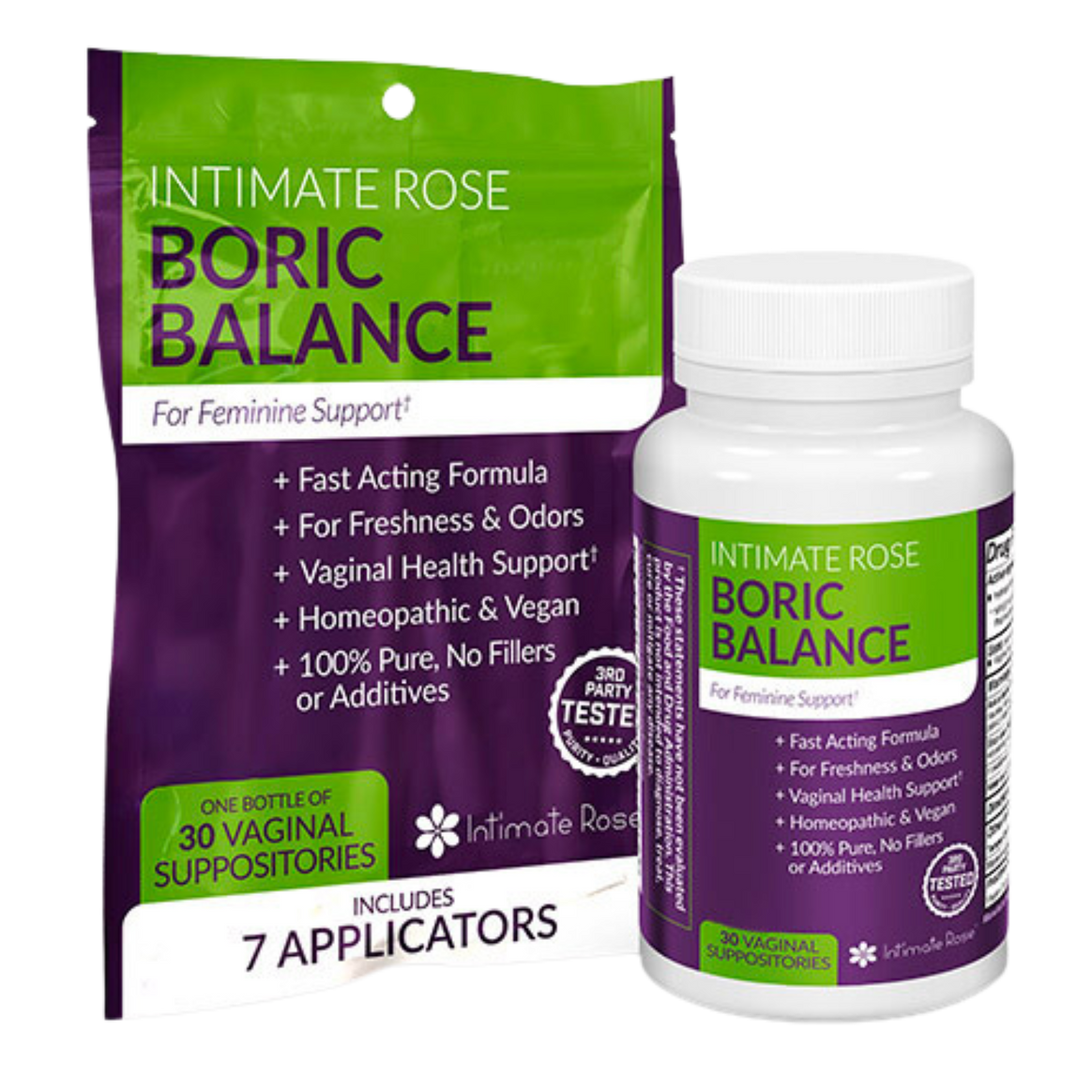
Boric Acid Suppositories
Boric acid suppositories are commonly used to help restore vaginal pH balance and reduce recurring yeast infections.
Boric acid creates an environment that is less favorable for yeast overgrowth while helping maintain healthy vaginal flora. It is frequently used for recurrent or difficult-to-treat infections under medical guidance.
Wearing Breathable Cotton Underwear
Warm, moist environments encourage yeast growth. Tight clothing and non-breathable fabrics can trap heat and moisture around the vaginal area, worsening irritation.
Loose-fitting cotton underwear improves airflow and helps keep the area drier, which may reduce irritation and support healing.
Avoiding Scented Products
Scented soaps, sprays, and feminine hygiene products can irritate sensitive vaginal tissue and disrupt the natural microbiome.
Switching to gentle, fragrance-free cleansing products can help reduce irritation and lower the risk of future infections.
Boric Balance
What Causes Yeast Infections?
Yeast infections develop when Candida grows excessively in the vagina. This overgrowth is often linked to disruptions in the vaginal microbiome or changes in the local environment.
Common triggers include:
- Antibiotic use
- Hormonal fluctuations
- Pregnancy
- High sugar intake
- Diabetes
- Tight or damp clothing
- Immune system changes
When healthy vaginal bacteria decline, yeast is able to multiply more easily and trigger symptoms.
Can Baking Soda Cure a Yeast Infection?
A baking soda bath is generally considered a supportive remedy rather than a cure for yeast infections.
While it may help relieve itching, burning, and irritation externally, it does not typically eliminate the underlying fungal overgrowth on its own. Moderate or persistent yeast infections often require antifungal medications or targeted treatments to fully resolve the infection.
For this reason, baking soda baths are best viewed as part of a broader symptom-management approach.
When to See a Healthcare Provider
If symptoms are severe, recurrent, or do not improve within a few days, it’s important to seek medical guidance.
You should also speak with a healthcare provider if:
- You experience recurrent yeast infections
- Symptoms worsen rapidly
- There is strong odor or unusual discharge
- You are unsure whether it is a yeast infection
Conditions like bacterial vaginosis and sexually transmitted infections can sometimes mimic yeast infection symptoms and require different treatment approaches.
Conclusion
A baking soda bath can be a simple and soothing home remedy for relieving the itching, burning, and irritation associated with yeast infections. By calming inflamed skin and supporting a healthier external environment, baking soda may help make flare-ups more manageable.
While it is not a standalone cure, combining baking soda baths with probiotics, vaginal-supportive habits, and proper medical care can help support recovery and reduce the risk of recurring infections.

Things Off Down There?